Blog

  • Why Do We Eat What We Eat? The Fascinating Geography Behind Regional Ingredients

    Have you noticed how coastal cities serve fish at nearly every meal while mountain towns favor hearty stews and preserved meats? The food on your plate tells a story written by the landscape around you. Geography doesn’t just influence what we eat. It dictates it.

    Key Takeaway

    Geography determines regional diets through climate, terrain, water access, and soil quality. Coastal areas develop seafood traditions while landlocked regions rely on livestock and grains. Temperature zones dictate crop varieties, preservation methods, and cooking techniques. Understanding why do we eat what we eat geography reveals how physical landscapes create distinct food cultures that persist across generations, shaping everything from daily meals to holiday celebrations.

    Climate Creates Your Menu

    Temperature and rainfall patterns write the first draft of every regional cuisine. Rice paddies need consistent water and warm temperatures. Wheat thrives in temperate zones with moderate rainfall. Corn grows in areas with hot summers and adequate moisture.

    These aren’t random preferences. They’re biological requirements.

    Mediterranean climates produce olives, grapes, and citrus fruits. The hot, dry summers and mild, wet winters create perfect conditions for these crops. Northern European climates favor root vegetables like potatoes, turnips, and beets that can withstand cold soil and shorter growing seasons.

    Tropical regions near the equator grow bananas, coconuts, and cacao year-round. The constant warmth and humidity support plants that would die in a single frost. Arctic communities historically relied on fish, seal, and caribou because virtually nothing grows in permafrost.

    Your great-grandmother’s recipes reflect the crops that actually survived in her backyard. That’s not tradition. That’s survival translated into flavor.

    Terrain Shapes Protein Sources

    Mountains, plains, and coastlines each offer different food opportunities. Flat grasslands support grazing animals. Cattle ranching dominates the American Great Plains, the Argentine Pampas, and the Mongolian steppes for the same reason: endless grass.

    Mountainous regions favor smaller livestock. Goats and sheep navigate steep slopes better than cattle. They eat scrubby vegetation that cows ignore. This explains why Greek, Swiss, and Himalayan cuisines feature goat and sheep cheese rather than beef.

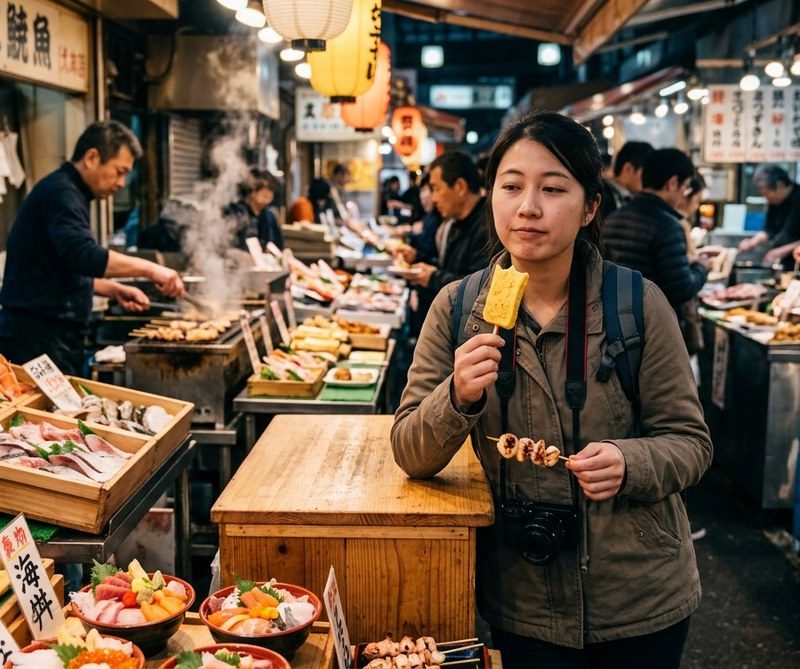
    Coastal communities build their diets around seafood. Japan, Norway, and Portugal developed rich fishing traditions not because of cultural preference but because of proximity. When the ocean sits outside your door, you learn to use it.

    Rivers provide another protein source. Freshwater fish like catfish, trout, and salmon shaped cuisines along the Mississippi, the Rhine, and countless other waterways. Communities learned which fish ran during which seasons and built their calendars around these migrations.

    “Geography doesn’t just suggest ingredients. It limits your choices so severely that entire food cultures emerge from what’s simply available within walking distance.”

    Water Access Determines Cooking Methods

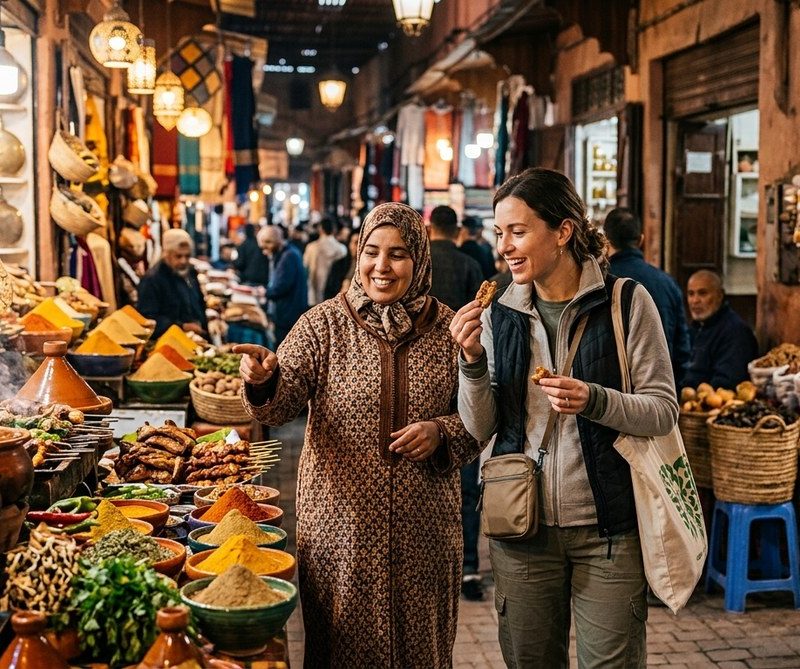
    The availability of fresh water influences how people prepare food. Desert cuisines often feature one-pot meals that minimize water use. Tagines in Morocco and biryanis in parts of India cook everything together, creating moisture through condensation rather than boiling in large quantities of water.

    Regions with abundant water developed different techniques. Boiling, blanching, and steaming require generous water supplies. Asian cuisines that developed near major rivers use these methods extensively. Pasta requires boiling water. Rice often needs twice its volume in liquid.

    Water scarcity also drives preservation methods. Salt curing, sun drying, and smoking extend shelf life without refrigeration. These techniques emerged in hot, arid climates where food spoiled rapidly and water for canning wasn’t available.

    Fermentation offers another water-efficient preservation method. Kimchi, sauerkraut, and pickles rely on salt and time rather than water and heat. These foods appear across cultures that needed to preserve harvests through long winters or dry seasons.

    Soil Quality Dictates Crop Choices

    Not all dirt grows the same food. Volcanic soil produces different crops than sandy coastal soil or clay-heavy river valleys. The minerals, pH levels, and drainage patterns in soil determine which plants will thrive.

    Wine regions illustrate this perfectly. Champagne grapes grow in chalky limestone soil. Bordeaux wines come from gravelly terrain. Napa Valley’s volcanic soil produces different flavor profiles than Oregon’s sedimentary soils. The same grape variety tastes different depending on what feeds its roots.

    Grain preferences follow similar patterns. Rice needs waterlogged paddies. Wheat prefers well-drained soil. Corn tolerates a wider range but produces better yields in rich, loamy earth. These requirements created distinct grain belts around the world.

    Coffee and tea also reflect soil preferences. Coffee grows best in volcanic soil at high altitudes. Tea prefers acidic, well-drained soil in misty mountain regions. You can’t swap their locations and expect the same results.

    Seasonal Patterns Create Food Calendars

    The length and intensity of seasons determine when food becomes available and how communities preserve it. Four-season climates developed elaborate preservation traditions because nothing grew for months at a time.

    Canning, pickling, and root cellars emerged in temperate zones. Summer’s abundance had to last through winter’s scarcity. Fruit preserves, pickled vegetables, and stored grains became staples not because people loved them but because fresh food disappeared for half the year.

    Tropical regions with minimal seasonal variation developed different patterns. Fresh fruit and vegetables remain available year-round. Preservation techniques focus on enhancing flavor rather than extending shelf life. Fermented fish sauces and aged spice pastes add complexity rather than solve scarcity.

    Monsoon regions built their food calendars around dramatic wet and dry seasons. Planting and harvesting align with rainfall patterns. Rice cultivation in Southeast Asia follows monsoon schedules so precisely that entire cultural calendars revolve around these cycles.

    Distance From Trade Routes Influences Ingredients

    Geographic isolation creates distinct cuisines. Islands and landlocked mountain regions develop food traditions based entirely on what grows locally. Iceland’s traditional diet featured fermented shark and dried fish because importing fresh produce was impossible for most of its history.

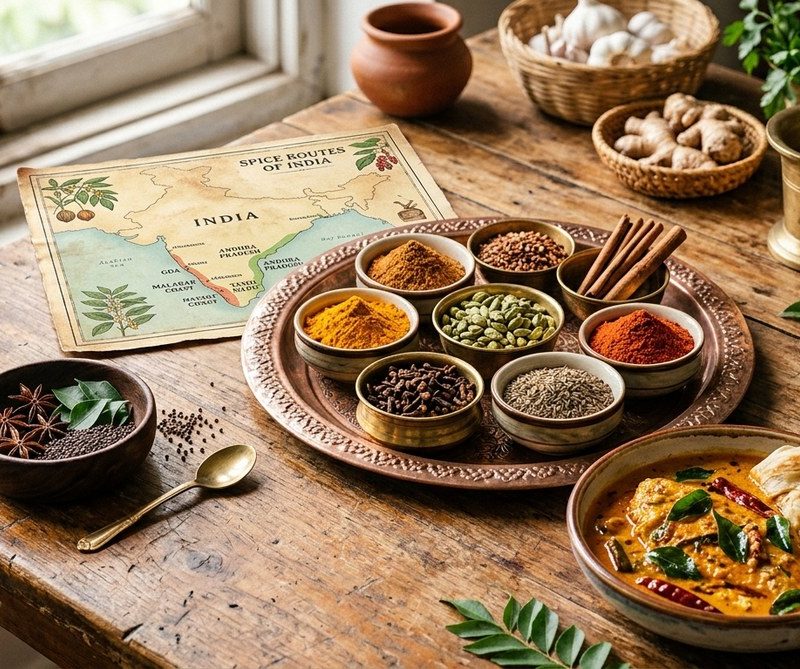
    Trade routes introduce new ingredients but geography determines which routes exist. The Silk Road connected Asia and Europe because mountain passes and desert oases made the journey possible. Spices, tea, and silk traveled this route, transforming cuisines along the way.

    Coastal cities with natural harbors became culinary melting pots. Port cities like Istanbul, New Orleans, and Singapore developed fusion cuisines because ships brought ingredients from around the world. Geographic features that made good harbors also made diverse food cultures.

    Landlocked regions far from trade routes maintained more isolated food traditions. The ingredients available didn’t change much over centuries. These cuisines often seem more “authentic” because they evolved without outside influence, shaped purely by local geography.

    Altitude Changes Everything

    Height above sea level affects both what grows and how you cook it. Higher altitudes mean lower air pressure, which changes boiling points and cooking times. Water boils at lower temperatures on mountaintops, making some cooking methods impractical.

    High-altitude cuisines favor roasting, grilling, and pressure cooking. Boiling takes too long and uses too much fuel. Andean communities developed pressure cooking techniques centuries before modern pressure cookers existed, using sealed clay pots to trap steam.

    Crops also change with elevation. Coffee grows at specific altitude ranges. Too low and it tastes flat. Too high and it won’t ripen. Potatoes originated in high-altitude Peru because they tolerate cool temperatures and intense sun that would damage other crops.

    Oxygen levels affect fermentation and baking. Bread recipes that work at sea level fail at high altitudes. The lower air pressure makes dough rise faster and collapse easier. Tibetan and Andean baking traditions developed different techniques to compensate.

    How Geography Creates Regional Specialties

    Understanding why do we eat what we eat geography means recognizing patterns that repeat worldwide. Similar landscapes produce similar cuisines even when cultures never contacted each other.

    Here’s how geography translates into regional food characteristics:

    1. Identify the climate zone and its temperature range
    2. Note the terrain type and elevation changes
    3. Map water sources and seasonal availability
    4. Test soil composition and drainage patterns
    5. Calculate growing season length and frost dates
    6. Assess natural barriers and trade route access

    These factors combine to create what’s possible on a plate. Culture and tradition build on this foundation, but geography sets the limits.

    Geographic Feature Typical Ingredients Common Cooking Methods Preservation Techniques
    Coastal regions Seafood, seaweed, salt Steaming, raw preparation Salt curing, drying, smoking
    Mountain areas Goat, sheep, root vegetables Roasting, stewing Cheese making, fermentation
    River valleys Freshwater fish, rice, vegetables Boiling, steaming Pickling, sun drying
    Grasslands Beef, wheat, dairy Grilling, baking Butter making, grain storage
    Tropical zones Tropical fruits, coconut, spices Light cooking, raw dishes Fermentation, spice preservation
    Desert regions Dates, lamb, preserved foods One-pot cooking, grilling Drying, salt preservation

    Modern Transportation Hasn’t Erased Geographic Influence

    You can buy strawberries in January and mangoes in Maine, but geography still shapes what most people eat most of the time. Local and seasonal ingredients cost less and taste better because they don’t travel thousands of miles.

    Regional food traditions persist because they make sense for the landscape. Italian cuisine still centers on tomatoes, olive oil, and wheat because these grow abundantly in Mediterranean climates. Scandinavian food still features preserved fish and root vegetables because these survive northern winters.

    Even in cities with access to global ingredients, people gravitate toward foods that match their climate. Hot weather drives demand for cold soups and fresh salads. Cold weather increases sales of stews and roasted meats. Your body responds to the same geographic signals that shaped your ancestors’ diets.

    A week-long culinary journey through Tuscany demonstrates how regional geography continues to define authentic food experiences. The ingredients, techniques, and flavors all connect directly to the Tuscan landscape.

    Reading Your Landscape Through Food

    Traditional dishes function as edible maps. They tell you what grows nearby, which seasons matter, and how people adapted to their environment. A bowl of gumbo reveals Louisiana’s wetlands, seafood access, and French-African cultural mixing. A plate of sushi shows Japan’s island geography and fishing traditions.

    You can reverse-engineer climate and terrain from a region’s signature dishes. Heavy cream sauces suggest dairy country with cool temperatures. Coconut milk curries indicate tropical coastlines. Preserved lemons point to hot, arid climates with citrus trees.

    This knowledge helps you understand not just what people eat but why certain ingredients pair together. Foods that grow in the same climate and season naturally complement each other. Tomatoes and basil both thrive in warm Mediterranean summers. Their flavor combination isn’t accidental.

    Common Geographic Mistakes in Understanding Regional Food

    Many people misunderstand why regional cuisines developed their distinctive characteristics:

    • Assuming cultural preference drove ingredient choices when geography limited options
    • Thinking traditional dishes could have used different ingredients that didn’t grow locally
    • Believing preservation techniques were about flavor rather than necessity
    • Expecting recipes to work the same way in different climates and altitudes
    • Ignoring how water availability shaped cooking methods
    • Overlooking soil quality’s impact on ingredient flavors
    • Forgetting that trade routes depended on geographic features

    Your Plate Reflects Your Place

    Every meal connects you to the ground beneath your feet. The vegetables at the farmers market grow in your region’s soil and climate. The local specialties your grandparents made used ingredients that thrived in your specific landscape.

    Geography wrote the first cookbook for every region on Earth. Climate determined which plants survived. Terrain shaped which animals people could raise. Water sources influenced cooking techniques. Soil quality affected flavors.

    Understanding why do we eat what we eat geography transforms how you see food. That morning coffee grew in volcanic soil at a specific altitude. Your lunch salad contains vegetables suited to your local growing season. Dinner’s protein source reflects whether you live near water, grasslands, or mountains.

    The next time you sit down to eat, look past the recipe to the landscape that made it possible. Your food tells the story of your place on this planet, written in flavors shaped by millions of years of geographic forces. That’s not just dinner. That’s edible geography on your fork.

  • 7 Bizarre Delicacies That Will Test Your Culinary Courage

    Balut in the Philippines looks innocent enough until you crack the shell and find a partially developed duck embryo staring back at you. For many travelers, this moment marks the line between curious foodie and true culinary adventurer. But balut is just one entry in a global catalog of dishes that make even seasoned food lovers pause before taking that first bite.

    Key Takeaway

    The weirdest foods around the world reflect deep cultural traditions and survival innovations. From Iceland’s fermented shark to Mexico’s ant larvae, these dishes challenge Western palates while offering insight into how different societies transform unusual ingredients into prized delicacies. Understanding these foods means respecting the history and resourcefulness behind them.

    Foods That Push Boundaries

    Every culture develops its own definition of edible. What seems bizarre to outsiders often represents centuries of culinary tradition, environmental adaptation, or pure necessity turned into celebration.

    The weirdest foods around the world share common threads. Many come from coastal communities that learned to preserve seafood without refrigeration. Others emerged from landlocked regions where protein sources were scarce. Some developed as delicacies for the wealthy, while others kept entire populations fed during harsh seasons.

    These dishes test more than just taste buds. They challenge our assumptions about what belongs on a plate and force us to confront the cultural conditioning that shapes our food preferences from childhood.

    Seven Foods That Define Culinary Courage

    1. Hákarl (Fermented Shark)

    Iceland’s national dish starts with Greenland shark, a creature whose flesh contains toxic levels of uric acid and trimethylamine oxide. Vikings discovered that burying the shark for months, then hanging it to dry for several more, breaks down these compounds into something technically edible.

    The result smells like ammonia mixed with rotten fish. The taste registers somewhere between blue cheese and cleaning products. Most Icelanders eat it during Þorrablót, a midwinter festival celebrating traditional foods.

    First-time tasters should follow local advice: hold your nose, swallow fast, and chase it with brennivín, Iceland’s signature schnapps. The alcohol helps mask the aftertaste that can linger for hours.

    2. Sannakji (Live Octopus)

    Korean restaurants serve this dish with the octopus tentacles still writhing on the plate. Chefs cut a small octopus into pieces moments before serving, and the nerve activity keeps the suction cups functioning for several minutes.

    The danger is real. Several people die each year when suction cups attach to their throat during swallowing. Proper technique requires thorough chewing to disable the suckers before attempting to swallow.

    The texture dominates the experience. Each piece squirms against your tongue and teeth, creating a sensation that no amount of mental preparation can fully prepare you for. The flavor itself is mild and slightly sweet, similar to regular octopus.

    3. Casu Marzu (Maggot Cheese)

    Sardinian cheesemakers deliberately introduce cheese fly larvae into pecorino. The maggots eat through the cheese, breaking down fats and creating an extremely soft, creamy texture with a strong flavor.

    Live larvae remain in the cheese when served. They can jump up to six inches when disturbed, so experienced eaters cover the cheese with their hand while taking a bite. Some people remove the maggots first. Others consider them essential to the authentic experience.

    The European Union banned casu marzu for health reasons, but Sardinians continue making it as a cultural tradition. You need local connections to try it, as shops cannot legally sell it.

    4. Balut (Fertilized Duck Egg)

    Filipino street vendors sell these eggs boiled and served warm in the shell. Development ranges from 14 to 21 days, with different stages offering different experiences. Younger balut contains mostly liquid with small embryonic features. Older versions have recognizable beaks, feathers, and bones.

    Eating balut follows a ritual:

    1. Crack a small hole in the top of the shell
    2. Sip the savory broth inside
    3. Peel away more shell to access the egg and embryo
    4. Season with salt, vinegar, or chili
    5. Eat everything in one or two bites

    The taste resembles rich chicken soup mixed with hard-boiled egg. The texture varies from creamy yolk to slightly crunchy bones. Many Filipinos eat balut as a protein-rich snack, particularly after drinking.

    5. Fugu (Pufferfish)

    Japanese chefs train for years to earn a license to prepare this potentially lethal fish. Pufferfish organs contain tetrodotoxin, a poison 1,200 times deadlier than cyanide. One fish contains enough toxin to kill 30 people.

    Licensed chefs remove the toxic parts with surgical precision. Even with proper preparation, fugu causes several deaths annually in Japan, usually from amateur preparation or daredevils eating the toxic liver intentionally.

    The meat itself tastes mild and slightly sweet. Restaurants serve it as sashimi, in hot pots, or fried. The appeal lies more in the thrill and prestige than the flavor. Fugu meals cost $100 to $500 per person at reputable establishments.

    6. Escamoles (Ant Larvae)

    Mexican cuisine treats these larvae from giant black ants as a luxury ingredient. Harvesting happens only during a brief spring season when workers must brave stinging ants to extract larvae from underground nests.

    The texture resembles cottage cheese. The flavor is mild, nutty, and slightly buttery. Chefs typically sauté escamoles with butter and spices, serving them in tacos or as a standalone dish.

    High-end Mexico City restaurants charge premium prices for escamoles. The seasonal availability and dangerous harvest justify costs that can exceed those of caviar per ounce.

    7. Surströmming (Fermented Herring)

    Swedish tradition ferments Baltic herring just enough to prevent rotting while creating one of the world’s most pungent foods. The fermentation produces pressure that makes cans bulge outward. Opening a can indoors can make a space uninhabitable for hours.

    Swedes open surströmming outdoors, preferably underwater to contain the smell. They serve the fish on thin bread with potatoes, onions, and sour cream. The combination mellows the intense flavor and creates a dish that locals genuinely enjoy.

    The smell registers as one of the most overwhelming food odors on Earth. Studies measuring volatile compounds found surströmming produces a more intense smell than many substances classified as chemical weapons.

    Understanding the Appeal

    “What we consider disgusting often reflects what we learned to avoid as children rather than any objective measure of food safety or quality. Breaking through that conditioning opens up entire worlds of flavor and cultural understanding.” – Anthony Bourdain

    These foods persist because they mean something to the cultures that created them. Hákarl represents Icelandic resilience. Balut provides affordable nutrition. Fugu demonstrates Japanese precision and respect for danger. Escamoles connect modern Mexicans to pre-Columbian traditions.

    Trying these foods shows respect for cultural differences and willingness to step outside comfort zones. Many travelers report that eating the weirdest local dish becomes their most memorable cultural experience.

    Common Characteristics of Extreme Foods

    The weirdest foods around the world share patterns that help explain their existence and persistence:

    • Preservation techniques that developed before refrigeration
    • Protein sources from regions with limited conventional options
    • Status symbols that demonstrate wealth or bravery
    • Seasonal specialties tied to specific harvest times
    • Acquired tastes that locals learn to appreciate from childhood
    • Ritual significance connected to festivals or celebrations
    Food Country Primary Challenge Cultural Context
    Hákarl Iceland Ammonia smell Viking preservation method
    Sannakji Korea Still moving Freshness demonstration
    Casu Marzu Italy Live maggots Sardinian tradition
    Balut Philippines Visible embryo Affordable protein
    Fugu Japan Potentially lethal Culinary precision
    Escamoles Mexico Insect larvae Pre-Columbian delicacy
    Surströmming Sweden Extreme odor Historical preservation

    Preparing Your Palate

    Approaching extreme foods requires mental preparation as much as physical readiness. Your brain makes snap judgments about food safety based on appearance and smell. Overriding those instincts takes conscious effort.

    Start with milder versions of challenging foods. Try regular octopus before attempting the live version. Eat strong cheeses before tackling casu marzu. Build tolerance gradually rather than jumping straight to the most extreme option.

    Research the proper eating method before trying unfamiliar foods. Many dishes require specific preparation or accompaniments that make them more palatable. Locals developed these techniques over generations for good reason.

    Consider the setting carefully. Eating hákarl at a tourist trap differs vastly from sharing it with Icelanders during a traditional festival. Context and company influence the experience as much as the food itself.

    Health and Safety Considerations

    Not all weird foods carry equal risk. Some require expert preparation to avoid serious illness or death. Others are perfectly safe but challenge only your sensory comfort.

    Fugu demands licensed preparation. Never eat pufferfish from unlicensed sources or attempt to prepare it yourself. The risk is not worth the experience.

    Live octopus causes choking deaths. Chew thoroughly and never attempt to swallow large pieces. Skip this dish if you have any throat or swallowing issues.

    Casu marzu’s illegal status reflects genuine health concerns. The cheese fly larvae can survive digestion and potentially cause intestinal problems. Eating it means accepting real risk.

    Fermented foods like hákarl and surströmming are safe if properly prepared. The smell and taste may be overwhelming, but they will not harm you. The same applies to balut and escamoles when sourced from reputable vendors.

    Where to Find These Foods

    Authentic versions of extreme foods require traveling to their regions of origin. Tourist-friendly versions often modify recipes to reduce the challenge factor, defeating the purpose for true adventurers.

    Iceland’s hákarl appears at traditional restaurants and during Þorrablót festivals in January and February. Some shops sell vacuum-sealed portions for brave tourists.

    Korean cities offer sannakji at seafood restaurants, particularly in coastal areas and major markets. Seoul’s Noryangjin Fish Market provides numerous options.

    Sardinian casu marzu requires local connections. Ask at traditional restaurants or cheese shops, but understand that sellers risk fines for offering it.

    Filipino balut vendors operate throughout the Philippines, particularly in Manila and other urban areas. Street vendors sell it fresh every evening.

    Japanese fugu restaurants concentrate in Osaka and Tokyo. Make reservations at licensed establishments with strong reputations.

    Mexican escamoles appear on menus at high-end restaurants in Mexico City during spring months. Some markets sell them for home preparation.

    Swedish surströmming is available at specialty shops throughout Sweden, with peak season in late summer. Many Swedes host surströmming parties outdoors.

    The Psychology Behind Food Fear

    Understanding why these foods provoke such strong reactions helps overcome the initial resistance. Human brains evolved to be suspicious of unfamiliar foods as a survival mechanism. What looks or smells wrong might be poisonous.

    Cultural conditioning adds another layer. Children learn food preferences by watching adults and peers. If everyone around you rejects insects as food, your brain categorizes them as inedible regardless of their nutritional value.

    Disgust serves as a protective emotion. It keeps you from eating spoiled food or potential toxins. But this same mechanism can trigger false alarms when encountering safe foods that simply look or smell unusual.

    Breaking through food fear requires conscious override of these automatic responses. Watching locals eat something with obvious enjoyment helps convince your brain that the food is safe. Understanding the cultural context and preparation methods provides rational justification for trying something your instincts reject.

    Beyond the Initial Bite

    Many travelers report that the anticipation proves worse than the actual experience. Once you take that first bite, the mystery disappears. The food becomes just food, even if it is not something you would choose to eat regularly.

    Some extreme foods turn into genuine favorites. Balut fans appreciate the rich flavor and satisfying texture once they get past the visual aspect. Escamoles taste delicious enough that many people forget they are eating insect larvae.

    Other dishes remain challenging no matter how many times you try them. Hákarl never stops smelling like ammonia. Surströmming always triggers a gag reflex. But completing the challenge creates stories worth telling and memories that last.

    The experience changes how you think about food. Trying the weirdest dishes makes everything else seem less intimidating. Regular sushi becomes boring after you have eaten live octopus. Blue cheese tastes mild after casu marzu.

    Respecting Food Traditions

    Approaching extreme foods as entertainment misses the deeper significance. These dishes represent cultural heritage, environmental adaptation, and human ingenuity in the face of scarcity.

    Icelanders did not ferment shark because they enjoyed the smell. They did it to survive winters when fresh food disappeared. The dish connects modern Icelanders to their Viking ancestors who developed the technique.

    Filipinos eat balut because it provides affordable, accessible protein. Mocking the dish while trying it disrespects millions of people for whom it represents practical nutrition rather than a dare.

    Japanese fugu preparation demonstrates values of precision, training, and respect for danger that permeate the culture. Treating it as a thrill ride ignores the serious craftsmanship involved.

    Try these foods with genuine curiosity and respect. Learn the history and cultural context. Thank the people who prepare them. Recognize that your discomfort reflects your background, not any inherent wrongness in the food.

    Building Your Weird Food Resume

    Adventurous eaters often track their extreme food experiences like achievements. Each new dish expands your culinary comfort zone and provides conversation material for years.

    Start with foods that challenge only one aspect of your preferences. If texture bothers you more than flavor, begin with strong-tasting but normally-textured foods. If appearance is your main barrier, try foods that taste normal but look unusual.

    Work up to combinations of challenges. Casu marzu tests appearance, texture, and flavor simultaneously. Sannakji adds movement to the equation. Fugu includes psychological fear of death.

    Document your experiences through photos and notes. The details fade quickly, but recording your reactions preserves the memory. Many travelers create blogs or social media content around their weird food adventures.

    Connect with other adventurous eaters. Online communities share tips about where to find specific dishes and how to approach them. Fellow travelers understand the appeal in ways that friends back home may not.

    When Weird Becomes Wonderful

    The weirdest foods around the world offer more than bragging rights. They provide windows into different ways of thinking about ingredients, preparation, and the fundamental question of what makes something food.

    These experiences humble us. They remind us that our food preferences are learned rather than universal. They demonstrate that billions of people thrive on diets that would horrify us if we examined them too closely.

    They also connect us to our own adventurous nature. Trying hákarl or balut requires courage of a different sort than physical bravery. It demands willingness to be uncomfortable, to potentially embarrass yourself, and to challenge your own assumptions.

    The weirdest foods become markers of personal growth. You remember who you were before you ate live octopus and who you became after. The change is small but real. You proved to yourself that you can handle more than you thought.

    Most importantly, these foods connect you to the places and people who created them. Sharing a challenging meal with locals builds bonds that tourist activities cannot match. You become part of their tradition, even if only for one memorable meal.

  • A Week-Long Culinary Journey Through Tuscany: Markets, Trattorias, and Cooking Classes

    A week in Tuscany changes how you think about food. Not because of some abstract culinary philosophy, but because you’ll knead pasta dough at sunrise, haggle for porcini at a centuries-old market, and drink Chianti with the farmer who grew the grapes. This isn’t a vacation where you watch cooking happen. It’s seven days of flour on your hands, olive oil in your hair, and recipes you’ll actually make when you get home.

    Key Takeaway

    A tuscany culinary tour week combines hands-on cooking instruction, market shopping, winery visits, and meals at family-run trattorias. Most programs include accommodation at rural estates, daily cooking sessions with local chefs, excursions to Florence or Siena, and tastings of regional specialties like pecorino, truffles, and Brunello wine. Expect to master 20 to 30 traditional recipes while staying in converted farmhouses surrounded by vineyards and olive groves.

    What a Week-Long Culinary Program Actually Includes

    Most Tuscany culinary tour week programs follow a similar rhythm, though each operator adds their own twist. You’ll typically arrive on a Sunday afternoon at a villa or agriturismo property. After settling in, the group gathers for an introductory dinner featuring regional wines and antipasti. This first meal sets the tone and introduces you to ingredients you’ll work with all week.

    Monday through Friday follow a pattern. Mornings often start with coffee and pastries before heading into the kitchen around 9 a.m. You’ll spend three to four hours preparing a multi-course lunch under the guidance of a chef or cooking instructor. These aren’t demonstration classes where you watch from the back. You’ll be assigned stations, given tasks, and expected to produce results.

    After lunch and cleanup, afternoons offer flexibility. Some days include excursions to nearby towns, cheese producers, or olive oil mills. Other afternoons are free for napping, reading by the pool, or wandering through nearby villages. Evening meals rotate between dining at the villa, visiting local trattorias, and occasional restaurant outings in larger towns.

    The week typically includes:

    • Three to five hands-on cooking classes
    • One or two market tours with a chef
    • At least one winery visit with tasting
    • Excursions to Florence, Siena, or San Gimignano
    • Visits to artisan producers (cheese makers, butchers, bakers)
    • All meals, with wine included at dinners
    • Accommodation in shared or private rooms
    • Transportation for scheduled activities

    Choosing the Right Program for Your Skill Level

    Programs range from beginner-friendly to intensive chef training. Understanding what you’re signing up for prevents disappointment and ensures you get the experience you want.

    Beginner programs assume no cooking experience. Instructors walk you through basic knife skills, explain why certain techniques work, and provide plenty of supervision. These programs focus on classic dishes like hand-rolled pici pasta, ribollita soup, and bistecca alla fiorentina. You’ll leave with confidence in fundamental Italian cooking methods.

    Intermediate programs move faster and cover more complex preparations. Expect to make fresh pasta in multiple shapes, break down whole chickens, and work with seasonal ingredients that require quick adaptation. Instructors provide less hand-holding and expect you to follow recipes with minimal guidance.

    Advanced programs attract culinary professionals or serious home cooks. These often involve restaurant stages, early morning market runs, and longer kitchen sessions. You might work alongside the chef preparing meals for other guests or participate in multi-day projects like curing meats or making aged cheeses.

    “The best culinary programs teach you to think like a Tuscan cook, not just follow recipes. You learn to taste the soil in the tomatoes, adjust salt based on the pecorino’s age, and understand why grandmother’s method works better than the modern shortcut.” – Chef instructor at a Chianti cooking school

    A Day-by-Day Breakdown of a Typical Week

    Understanding the flow helps you pack appropriately and manage expectations. Here’s what a standard Tuesday through Saturday schedule looks like.

    Day 1 (Arrival Sunday): Check in between 2 and 6 p.m. Unpack, tour the property, meet fellow participants. Welcome dinner at 7:30 p.m. with local wines and traditional antipasti. Early bedtime to adjust to the time change.

    Day 2 (Monday): Breakfast at 8 a.m. First cooking class begins at 9 a.m., focusing on fresh pasta and simple sauces. Prepare lunch together, eat around 1 p.m. Free afternoon. Dinner at a nearby trattoria at 8 p.m.

    Day 3 (Tuesday): Early departure at 7:30 a.m. for Florence market tour. Shop with the chef, learn to select produce, meet vendors. Return to villa for cooking class using purchased ingredients. Afternoon free. Dinner at the villa featuring the day’s preparations.

    Day 4 (Wednesday): Cooking class focused on meat and poultry. Learn to prepare rabbit, duck, or wild boar. Lunch follows. Afternoon excursion to a Brunello winery in Montalcino. Tasting and cellar tour. Return for light dinner.

    Day 5 (Thursday): Morning cooking class covering bread and focaccia. Afternoon trip to a pecorino producer in Pienza. Watch cheese making, taste various ages, buy some to take home. Dinner at a family-run osteria in a hilltop village.

    Day 6 (Friday): Final cooking class, often featuring student choice of recipes or regional specialties like pappa al pomodoro. Celebratory lunch with special wines. Afternoon free for last-minute shopping or relaxation. Farewell dinner at the villa with all participants.

    Day 7 (Saturday): Breakfast and departure. Most programs end by 10 a.m. to allow travel to Florence or other destinations.

    What You’ll Actually Cook During the Week

    The menu varies by season, instructor preference, and regional location, but certain dishes appear in nearly every program. Understanding the core curriculum helps you decide if the program matches your interests.

    Dish Category Common Preparations Techniques Learned
    Fresh Pasta Pici, pappardelle, ravioli, tortelli Hand rolling, shaping, filling, dough consistency
    Soups Ribollita, pappa al pomodoro, acquacotta Bread-based soups, vegetable prep, layering flavors
    Meat Dishes Bistecca, osso buco, wild boar ragu Butchering basics, braising, grilling over wood
    Vegetables Panzanella, fagioli all’uccelletto, fried artichokes Seasonal selection, proper salting, olive oil usage
    Desserts Cantucci, panna cotta, castagnaccio Nut toasting, custard technique, chestnut flour work
    Bread Tuscan saltless bread, schiacciata, focaccia Yeast management, oven temperature, scoring

    Most programs aim to teach 20 to 30 complete recipes during the week. You’ll receive a bound recipe book or digital file with all preparations, including notes on substitutions and techniques.

    The Market Experience and What to Expect

    Market tours rank among the most memorable parts of any tuscany culinary tour week. They typically happen early in the week, often on Tuesday or Wednesday morning. You’ll leave the villa around 7 or 7:30 a.m. to reach the market when vendors are setting up and produce is freshest.

    Florence’s Mercato Centrale and Sant’Ambrogio market are common destinations, though some programs visit smaller town markets in Lucca, Arezzo, or Cortona. The chef leads the group through stalls, explaining what’s in season, how to judge quality, and which vendors offer the best products.

    You’ll learn to:

    1. Identify ripe tomatoes by smell and weight, not just appearance
    2. Select the right cut of meat by asking questions and describing your recipe
    3. Recognize fresh versus previously frozen fish through eye clarity and smell
    4. Negotiate prices politely while respecting vendor expertise
    5. Understand why certain vegetables appear only during specific weeks

    The chef typically purchases ingredients for that day’s cooking class. You’re encouraged to buy items for yourself, though luggage space limits what you can transport home. Vacuum-packed meats, aged cheeses, dried porcini, and bottled sauces travel well.

    After shopping, many programs stop at a historic cafe for espresso and pastries before returning to the villa. This transition time allows the group to discuss purchases and ask questions about ingredients.

    Accommodation Styles and What They Mean for Your Experience

    Where you stay significantly impacts your week. Most programs use one of three accommodation types, each offering different atmospheres and amenities.

    Working farms and agriturismos provide the most authentic rural experience. You’ll stay in converted farm buildings surrounded by active vineyards, olive groves, or livestock. Rooms are simple but comfortable, often with shared bathrooms. Meals feature ingredients grown on the property. You might wake to roosters and fall asleep to complete silence. These properties work best for people who want total immersion and don’t need luxury amenities.

    Restored villas and estates offer more polish while maintaining historical character. Expect private bathrooms, air conditioning, swimming pools, and manicured gardens. These properties often date to the 15th or 16th century and feature period details like frescoed ceilings and stone fireplaces. The cooking facilities are professional-grade, and common areas provide space for relaxation between activities. This option suits travelers who want comfort without sacrificing authenticity.

    Hotel-based programs use boutique properties in towns like Florence, Siena, or Greve in Chianti as a home base. You’ll travel to cooking venues, wineries, and restaurants rather than staying at a single location. This approach offers more dining variety and easier access to sightseeing but less immersion in rural life. Best for people who want urban amenities and nightlife options.

    Most programs accommodate 8 to 16 participants. Smaller groups receive more individual attention but less social energy. Larger groups create more interaction but can feel crowded during cooking sessions.

    Wine Education Throughout the Week

    Wine isn’t just served with meals. It’s woven into the entire experience. Most programs include at least one dedicated winery visit, often to a Chianti Classico or Brunello producer. You’ll tour cellars, learn about aging in oak versus cement, and taste current releases alongside older vintages.

    During cooking classes, instructors explain which wines pair with specific dishes and why. You’ll learn that Vernaccia di San Gimignano’s minerality cuts through the richness of fried foods, while Vino Nobile di Montepulciano’s tannins complement grilled meats. This practical education happens through tasting, not lecture.

    Some programs include lessons in:

    • Reading Italian wine labels and understanding DOC versus DOCG classifications
    • Recognizing Sangiovese characteristics across different appellations
    • Storing and serving wine at proper temperatures
    • Building a cellar of Tuscan wines for aging

    You’ll drink well throughout the week. Lunch and dinner always include wine, typically two or three bottles shared among the table. Quality varies by program budget, but even mid-priced offerings feature excellent local producers rarely exported to international markets.

    Common Mistakes and How to Avoid Them

    Mistake Why It Happens How to Prevent It
    Overpacking luggage Wanting options for every situation Bring layers and comfortable shoes only; you’ll wear the same outfit multiple times
    Skipping travel insurance Assuming nothing will go wrong Purchase coverage that includes cooking-related injuries and trip cancellation
    Not disclosing dietary restrictions early Embarrassment or hoping to manage quietly Inform the organizer at booking; Italian cuisine adapts well to most restrictions
    Arriving jet-lagged without adjustment time Booking the program immediately after arrival Spend two nights in Florence or Rome before the program starts
    Buying too much at markets Excitement and reasonable prices Remember luggage weight limits; ship items or buy at the end of the week
    Treating it like a resort vacation Expecting passive entertainment Prepare for active participation, early mornings, and physical kitchen work

    Extending Your Trip Before or After the Program

    Most participants add several days in Florence, Siena, or Rome to maximize the transatlantic flight investment. Arriving two or three days early allows you to adjust to the time zone, see major museums, and start acclimating to the language and culture.

    Florence makes an ideal starting point. You can take cooking classes at schools like In Tavola or Cucina Lorenzo, visit the Uffizi and Accademia museums, and eat at traditional spots like Trattoria Mario or All’Antico Vinaio. The city’s compact center means you can walk everywhere.

    After the program, consider spending time in southern Tuscany. Montepulciano, Pienza, and Montalcino form a triangle of wine towns easily reached by car. You can visit the same wineries and cheese makers introduced during your program week, buying products you tasted and building relationships with producers.

    Some participants extend into Umbria, just east of Tuscany. The towns of Perugia, Assisi, and Orvieto offer different culinary traditions, including black truffles, porchetta, and Sagrantino wine. The region feels less touristy while maintaining similar landscapes and food culture.

    Practical Details That Matter

    Booking timeline: Popular programs fill six to twelve months in advance, especially for September and October dates. Spring programs (April and May) book more slowly but offer equally good weather and fewer tourists. January and February programs are rare but provide the most intimate experience.

    Fitness requirements: You’ll stand for several hours during cooking classes and walk on uneven surfaces during market and town visits. Most programs involve stairs without elevators. A moderate fitness level suffices, but alert the organizer to mobility limitations.

    Language considerations: Instruction happens in English for international programs. However, market vendors, restaurant staff, and some artisan producers speak only Italian. Your chef or guide translates, but learning basic food vocabulary enriches the experience.

    Tipping customs: Unlike American restaurants, tipping isn’t expected in Italy. However, leaving small amounts for exceptional service is appreciated. For your cooking instructor and villa staff, a group tip of 50 to 100 euros per person for the week is standard but not required.

    Cell phone and internet: Most properties offer WiFi in common areas but not necessarily in guest rooms. Cell service can be spotty in rural locations. Plan for limited connectivity and embrace the digital detox.

    Laundry: Longer programs usually include one laundry service midweek. Otherwise, you’ll hand wash items in your room. Pack quick-dry fabrics and plan to re-wear clothes.

    Why This Week Changes How You Cook at Home

    The real value of a tuscany culinary tour week reveals itself months later. You’ll find yourself shopping differently, asking butchers questions you never considered, and tasting ingredients before adding them to dishes. The recipes matter less than the mindset shift.

    You’ll understand why Tuscan cooks obsess over ingredient quality. When tomatoes taste like sunshine and olive oil burns your throat in the best way, you don’t need complicated techniques. You learn to let ingredients speak and to intervene only when necessary.

    The social aspect lingers too. You’ll stay in touch with fellow participants, sharing recipe modifications and planning reunions. Many programs create private social media groups where alumni post cooking successes, ask questions, and encourage each other to maintain the skills learned during that transformative week in the Tuscan hills.

    Making the Most of Your Culinary Adventure

    Choose your program based on what matters most to you. If wine education ranks high, select an operator with strong vineyard connections. If you want intensive cooking time, look for programs with daily classes rather than heavy excursion schedules. If meeting locals matters more than luxury, choose a working farm over a restored villa.

    Prepare physically by standing while cooking at home in the weeks before your trip. Practice basic knife skills so you can keep pace during classes. Learn a dozen Italian food words, even if you never study the language seriously. These small efforts compound into a richer experience.

    Most importantly, show up ready to participate fully. Put your phone away during classes. Ask questions when you don’t understand. Taste everything, even ingredients you think you dislike. The week passes faster than you expect, and the memories you create will reshape how you think about food, cooking, and what it means to eat well for the rest of your life.

  • A Week-Long Culinary Journey Through Tuscany: Markets, Trattorias, and Cooking Classes

    A week in Tuscany changes how you think about food. Not because of some abstract culinary philosophy, but because you’ll knead pasta dough at sunrise, haggle for porcini at a centuries-old market, and drink Chianti with the farmer who grew the grapes. This isn’t a vacation where you watch cooking happen. It’s seven days of flour on your hands, olive oil in your hair, and recipes you’ll actually make when you get home.

    Key Takeaway

    A tuscany culinary tour week combines hands-on cooking instruction, market shopping, winery visits, and meals at family-run trattorias. Most programs include accommodation at rural estates, daily cooking sessions with local chefs, excursions to Florence or Siena, and tastings of regional specialties like pecorino, truffles, and Brunello wine. Expect to master 20 to 30 traditional recipes while staying in converted farmhouses surrounded by vineyards and olive groves.

    What a Week-Long Culinary Program Actually Includes

    Most Tuscany culinary tour week programs follow a similar rhythm, though each operator adds their own twist. You’ll typically arrive on a Sunday afternoon at a villa or agriturismo property. After settling in, the group gathers for an introductory dinner featuring regional wines and antipasti. This first meal sets the tone and introduces you to ingredients you’ll work with all week.

    Monday through Friday follow a pattern. Mornings often start with coffee and pastries before heading into the kitchen around 9 a.m. You’ll spend three to four hours preparing a multi-course lunch under the guidance of a chef or cooking instructor. These aren’t demonstration classes where you watch from the back. You’ll be assigned stations, given tasks, and expected to produce results.

    After lunch and cleanup, afternoons offer flexibility. Some days include excursions to nearby towns, cheese producers, or olive oil mills. Other afternoons are free for napping, reading by the pool, or wandering through nearby villages. Evening meals rotate between dining at the villa, visiting local trattorias, and occasional restaurant outings in larger towns.

    The week typically includes:

    • Three to five hands-on cooking classes
    • One or two market tours with a chef
    • At least one winery visit with tasting
    • Excursions to Florence, Siena, or San Gimignano
    • Visits to artisan producers (cheese makers, butchers, bakers)
    • All meals, with wine included at dinners
    • Accommodation in shared or private rooms
    • Transportation for scheduled activities

    Choosing the Right Program for Your Skill Level

    Programs range from beginner-friendly to intensive chef training. Understanding what you’re signing up for prevents disappointment and ensures you get the experience you want.

    Beginner programs assume no cooking experience. Instructors walk you through basic knife skills, explain why certain techniques work, and provide plenty of supervision. These programs focus on classic dishes like hand-rolled pici pasta, ribollita soup, and bistecca alla fiorentina. You’ll leave with confidence in fundamental Italian cooking methods.

    Intermediate programs move faster and cover more complex preparations. Expect to make fresh pasta in multiple shapes, break down whole chickens, and work with seasonal ingredients that require quick adaptation. Instructors provide less hand-holding and expect you to follow recipes with minimal guidance.

    Advanced programs attract culinary professionals or serious home cooks. These often involve restaurant stages, early morning market runs, and longer kitchen sessions. You might work alongside the chef preparing meals for other guests or participate in multi-day projects like curing meats or making aged cheeses.

    “The best culinary programs teach you to think like a Tuscan cook, not just follow recipes. You learn to taste the soil in the tomatoes, adjust salt based on the pecorino’s age, and understand why grandmother’s method works better than the modern shortcut.” – Chef instructor at a Chianti cooking school

    A Day-by-Day Breakdown of a Typical Week

    Understanding the flow helps you pack appropriately and manage expectations. Here’s what a standard Tuesday through Saturday schedule looks like.

    Day 1 (Arrival Sunday): Check in between 2 and 6 p.m. Unpack, tour the property, meet fellow participants. Welcome dinner at 7:30 p.m. with local wines and traditional antipasti. Early bedtime to adjust to the time change.

    Day 2 (Monday): Breakfast at 8 a.m. First cooking class begins at 9 a.m., focusing on fresh pasta and simple sauces. Prepare lunch together, eat around 1 p.m. Free afternoon. Dinner at a nearby trattoria at 8 p.m.

    Day 3 (Tuesday): Early departure at 7:30 a.m. for Florence market tour. Shop with the chef, learn to select produce, meet vendors. Return to villa for cooking class using purchased ingredients. Afternoon free. Dinner at the villa featuring the day’s preparations.

    Day 4 (Wednesday): Cooking class focused on meat and poultry. Learn to prepare rabbit, duck, or wild boar. Lunch follows. Afternoon excursion to a Brunello winery in Montalcino. Tasting and cellar tour. Return for light dinner.

    Day 5 (Thursday): Morning cooking class covering bread and focaccia. Afternoon trip to a pecorino producer in Pienza. Watch cheese making, taste various ages, buy some to take home. Dinner at a family-run osteria in a hilltop village.

    Day 6 (Friday): Final cooking class, often featuring student choice of recipes or regional specialties like pappa al pomodoro. Celebratory lunch with special wines. Afternoon free for last-minute shopping or relaxation. Farewell dinner at the villa with all participants.

    Day 7 (Saturday): Breakfast and departure. Most programs end by 10 a.m. to allow travel to Florence or other destinations.

    What You’ll Actually Cook During the Week

    The menu varies by season, instructor preference, and regional location, but certain dishes appear in nearly every program. Understanding the core curriculum helps you decide if the program matches your interests.

    Dish Category Common Preparations Techniques Learned
    Fresh Pasta Pici, pappardelle, ravioli, tortelli Hand rolling, shaping, filling, dough consistency
    Soups Ribollita, pappa al pomodoro, acquacotta Bread-based soups, vegetable prep, layering flavors
    Meat Dishes Bistecca, osso buco, wild boar ragu Butchering basics, braising, grilling over wood
    Vegetables Panzanella, fagioli all’uccelletto, fried artichokes Seasonal selection, proper salting, olive oil usage
    Desserts Cantucci, panna cotta, castagnaccio Nut toasting, custard technique, chestnut flour work
    Bread Tuscan saltless bread, schiacciata, focaccia Yeast management, oven temperature, scoring

    Most programs aim to teach 20 to 30 complete recipes during the week. You’ll receive a bound recipe book or digital file with all preparations, including notes on substitutions and techniques.

    The Market Experience and What to Expect

    Market tours rank among the most memorable parts of any tuscany culinary tour week. They typically happen early in the week, often on Tuesday or Wednesday morning. You’ll leave the villa around 7 or 7:30 a.m. to reach the market when vendors are setting up and produce is freshest.

    Florence’s Mercato Centrale and Sant’Ambrogio market are common destinations, though some programs visit smaller town markets in Lucca, Arezzo, or Cortona. The chef leads the group through stalls, explaining what’s in season, how to judge quality, and which vendors offer the best products.

    You’ll learn to:

    1. Identify ripe tomatoes by smell and weight, not just appearance
    2. Select the right cut of meat by asking questions and describing your recipe
    3. Recognize fresh versus previously frozen fish through eye clarity and smell
    4. Negotiate prices politely while respecting vendor expertise
    5. Understand why certain vegetables appear only during specific weeks

    The chef typically purchases ingredients for that day’s cooking class. You’re encouraged to buy items for yourself, though luggage space limits what you can transport home. Vacuum-packed meats, aged cheeses, dried porcini, and bottled sauces travel well.

    After shopping, many programs stop at a historic cafe for espresso and pastries before returning to the villa. This transition time allows the group to discuss purchases and ask questions about ingredients.

    Accommodation Styles and What They Mean for Your Experience

    Where you stay significantly impacts your week. Most programs use one of three accommodation types, each offering different atmospheres and amenities.

    Working farms and agriturismos provide the most authentic rural experience. You’ll stay in converted farm buildings surrounded by active vineyards, olive groves, or livestock. Rooms are simple but comfortable, often with shared bathrooms. Meals feature ingredients grown on the property. You might wake to roosters and fall asleep to complete silence. These properties work best for people who want total immersion and don’t need luxury amenities.

    Restored villas and estates offer more polish while maintaining historical character. Expect private bathrooms, air conditioning, swimming pools, and manicured gardens. These properties often date to the 15th or 16th century and feature period details like frescoed ceilings and stone fireplaces. The cooking facilities are professional-grade, and common areas provide space for relaxation between activities. This option suits travelers who want comfort without sacrificing authenticity.

    Hotel-based programs use boutique properties in towns like Florence, Siena, or Greve in Chianti as a home base. You’ll travel to cooking venues, wineries, and restaurants rather than staying at a single location. This approach offers more dining variety and easier access to sightseeing but less immersion in rural life. Best for people who want urban amenities and nightlife options.

    Most programs accommodate 8 to 16 participants. Smaller groups receive more individual attention but less social energy. Larger groups create more interaction but can feel crowded during cooking sessions.

    Wine Education Throughout the Week

    Wine isn’t just served with meals. It’s woven into the entire experience. Most programs include at least one dedicated winery visit, often to a Chianti Classico or Brunello producer. You’ll tour cellars, learn about aging in oak versus cement, and taste current releases alongside older vintages.

    During cooking classes, instructors explain which wines pair with specific dishes and why. You’ll learn that Vernaccia di San Gimignano’s minerality cuts through the richness of fried foods, while Vino Nobile di Montepulciano’s tannins complement grilled meats. This practical education happens through tasting, not lecture.

    Some programs include lessons in:

    • Reading Italian wine labels and understanding DOC versus DOCG classifications
    • Recognizing Sangiovese characteristics across different appellations
    • Storing and serving wine at proper temperatures
    • Building a cellar of Tuscan wines for aging

    You’ll drink well throughout the week. Lunch and dinner always include wine, typically two or three bottles shared among the table. Quality varies by program budget, but even mid-priced offerings feature excellent local producers rarely exported to international markets.

    Common Mistakes and How to Avoid Them

    Mistake Why It Happens How to Prevent It
    Overpacking luggage Wanting options for every situation Bring layers and comfortable shoes only; you’ll wear the same outfit multiple times
    Skipping travel insurance Assuming nothing will go wrong Purchase coverage that includes cooking-related injuries and trip cancellation
    Not disclosing dietary restrictions early Embarrassment or hoping to manage quietly Inform the organizer at booking; Italian cuisine adapts well to most restrictions
    Arriving jet-lagged without adjustment time Booking the program immediately after arrival Spend two nights in Florence or Rome before the program starts
    Buying too much at markets Excitement and reasonable prices Remember luggage weight limits; ship items or buy at the end of the week
    Treating it like a resort vacation Expecting passive entertainment Prepare for active participation, early mornings, and physical kitchen work

    Extending Your Trip Before or After the Program

    Most participants add several days in Florence, Siena, or Rome to maximize the transatlantic flight investment. Arriving two or three days early allows you to adjust to the time zone, see major museums, and start acclimating to the language and culture.

    Florence makes an ideal starting point. You can take cooking classes at schools like In Tavola or Cucina Lorenzo, visit the Uffizi and Accademia museums, and eat at traditional spots like Trattoria Mario or All’Antico Vinaio. The city’s compact center means you can walk everywhere.

    After the program, consider spending time in southern Tuscany. Montepulciano, Pienza, and Montalcino form a triangle of wine towns easily reached by car. You can visit the same wineries and cheese makers introduced during your program week, buying products you tasted and building relationships with producers.

    Some participants extend into Umbria, just east of Tuscany. The towns of Perugia, Assisi, and Orvieto offer different culinary traditions, including black truffles, porchetta, and Sagrantino wine. The region feels less touristy while maintaining similar landscapes and food culture.

    Practical Details That Matter

    Booking timeline: Popular programs fill six to twelve months in advance, especially for September and October dates. Spring programs (April and May) book more slowly but offer equally good weather and fewer tourists. January and February programs are rare but provide the most intimate experience.

    Fitness requirements: You’ll stand for several hours during cooking classes and walk on uneven surfaces during market and town visits. Most programs involve stairs without elevators. A moderate fitness level suffices, but alert the organizer to mobility limitations.

    Language considerations: Instruction happens in English for international programs. However, market vendors, restaurant staff, and some artisan producers speak only Italian. Your chef or guide translates, but learning basic food vocabulary enriches the experience.

    Tipping customs: Unlike American restaurants, tipping isn’t expected in Italy. However, leaving small amounts for exceptional service is appreciated. For your cooking instructor and villa staff, a group tip of 50 to 100 euros per person for the week is standard but not required.

    Cell phone and internet: Most properties offer WiFi in common areas but not necessarily in guest rooms. Cell service can be spotty in rural locations. Plan for limited connectivity and embrace the digital detox.

    Laundry: Longer programs usually include one laundry service midweek. Otherwise, you’ll hand wash items in your room. Pack quick-dry fabrics and plan to re-wear clothes.

    Why This Week Changes How You Cook at Home

    The real value of a tuscany culinary tour week reveals itself months later. You’ll find yourself shopping differently, asking butchers questions you never considered, and tasting ingredients before adding them to dishes. The recipes matter less than the mindset shift.

    You’ll understand why Tuscan cooks obsess over ingredient quality. When tomatoes taste like sunshine and olive oil burns your throat in the best way, you don’t need complicated techniques. You learn to let ingredients speak and to intervene only when necessary.

    The social aspect lingers too. You’ll stay in touch with fellow participants, sharing recipe modifications and planning reunions. Many programs create private social media groups where alumni post cooking successes, ask questions, and encourage each other to maintain the skills learned during that transformative week in the Tuscan hills.

    Making the Most of Your Culinary Adventure

    Choose your program based on what matters most to you. If wine education ranks high, select an operator with strong vineyard connections. If you want intensive cooking time, look for programs with daily classes rather than heavy excursion schedules. If meeting locals matters more than luxury, choose a working farm over a restored villa.

    Prepare physically by standing while cooking at home in the weeks before your trip. Practice basic knife skills so you can keep pace during classes. Learn a dozen Italian food words, even if you never study the language seriously. These small efforts compound into a richer experience.

    Most importantly, show up ready to participate fully. Put your phone away during classes. Ask questions when you don’t understand. Taste everything, even ingredients you think you dislike. The week passes faster than you expect, and the memories you create will reshape how you think about food, cooking, and what it means to eat well for the rest of your life.